As women cross the age of 50, their bodies undergo several changes, especially after menopause. One of the most overlooked yet serious conditions is osteoporosis—a disease that gradually weakens the bones and increases the risk of fractures. The spine is one of the most commonly affected areas, and in many cases, women do not realize they have osteoporosis until they experience severe back pain or a sudden spinal fracture.

At Chennai Spine Care, our experienced Chennai Spine Care team, including leading osteoporosis spine surgeons and spine surgery specialists, provides advanced diagnosis and treatment for osteoporosis-related spine conditions.
What Is Osteoporosis?
Osteoporosis is a condition in which bones become porous, brittle, and weak due to reduced bone density. It is especially common among women after menopause because estrogen levels decline, leading to faster bone loss.
The disease is often called a “silent disease” because there are usually no symptoms until a fracture occurs.
Why Women Over 50 Are More Vulnerable
Women over 50 are at significantly higher risk of osteoporosis because of:
- Menopause and hormonal changes
- Calcium and vitamin D deficiency
- Lack of physical activity
- Family history of osteoporosis
- Smoking or excessive alcohol intake
- Long-term steroid use
- Thyroid disorders
In cities like Chennai, many women also spend limited time in direct sunlight, increasing the risk of vitamin D deficiency.
How Osteoporosis Affects the Spine
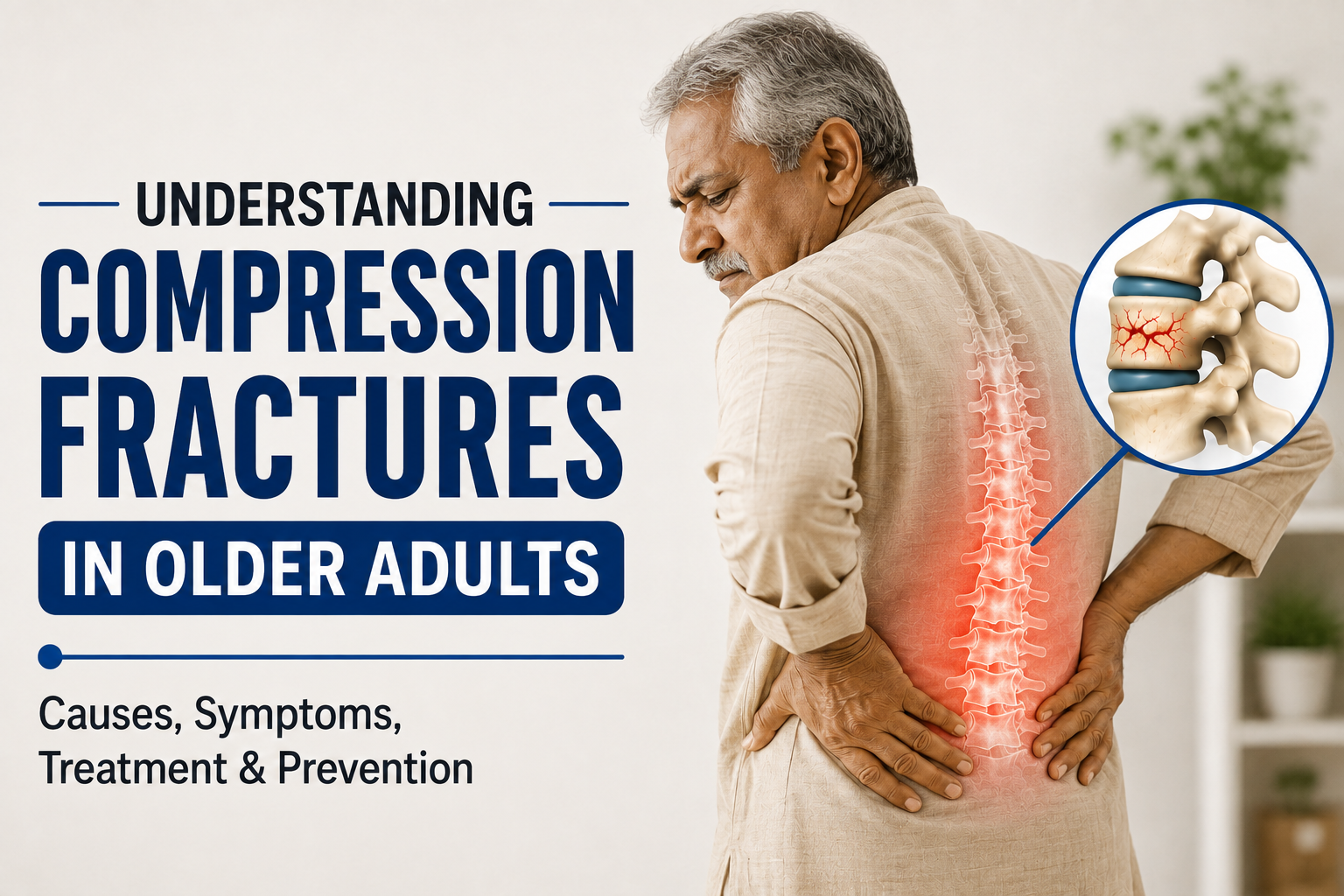
The spine consists of small bones called vertebrae. When osteoporosis weakens these bones, they can compress or collapse even during normal daily activities such as bending, coughing, or lifting a light object.
Common Spine Problems Caused by Osteoporosis
- Vertebral compression fractures
- Chronic back pain
- Loss of height
- Rounded upper back (kyphosis)
- Reduced mobility
- Nerve compression in severe cases
These fractures may happen silently and worsen over time if left untreated.
Early Warning Signs to Watch For
Osteoporosis often develops without noticeable symptoms, but signs may include:
- Persistent mid-back or lower back pain
- Height loss over time
- Stooped posture
- Fractures after minor falls
- Difficulty standing or walking for long periods
If you notice these symptoms, consult a spine treatment doctor as soon as possible.
Diagnosis of Osteoporosis and Spine Fractures
At Chennai Spine Care, diagnosis may include:
- Bone Mineral Density (BMD) test or DEXA Scan
- Digital X-rays
- MRI
- CT Scan
- Blood tests for calcium and vitamin D
Early diagnosis helps prevent severe fractures and long-term complications.
Non-Surgical Osteoporosis Spine Treatment
Most osteoporosis-related spine problems can be treated without surgery.
Medications
- Calcium and vitamin D supplements
- Bisphosphonates
- Bone-strengthening injections
Lifestyle Changes
- Weight-bearing exercises
- Sun exposure for vitamin D
- Nutrient-rich diet
- Fall prevention strategies
Pain Management
- Bracing
- Physical therapy
- Guided pain-relief injections
When Spine Surgery May Be Needed
In some cases, surgery becomes necessary when there is:
- Severe vertebral collapse
- Persistent pain despite treatment
- Nerve compression
- Spinal instability
Our spine surgery specialists offer advanced minimally invasive procedures.
Common Procedures
- Kyphoplasty
- Vertebroplasty
- Spinal decompression
- Instrumented spinal stabilization
These procedures can reduce pain, restore mobility, and improve quality of life.
Why Choose Chennai Spine Care?
Chennai Spine Care is dedicated to comprehensive spine treatment for women suffering from osteoporosis and spinal fractures.
Our Strengths
- Experienced osteoporosis spine surgeons
- Advanced imaging and diagnostics
- Minimally invasive surgical options
- Personalized treatment plans
- Complete rehabilitation support
Our goal is to help women regain confidence, independence, and an active lifestyle.
Tips to Prevent Osteoporosis After 50
To keep your spine healthy:
- Consume calcium-rich foods like milk, yogurt, and leafy greens
- Maintain adequate vitamin D levels
- Walk regularly
- Practice strength training
- Avoid smoking and alcohol
- Get regular bone density screenings
Prevention and early treatment can significantly reduce fracture risk.
When to See a Spine Treatment Doctor in Chennai
Consult a specialist if you have:
- Sudden back pain without injury
- Loss of height
- Stooped posture
- History of osteoporosis
- Fractures after a minor fall
Timely evaluation can prevent complications and preserve your mobility.
Conclusion
Osteoporosis can silently weaken your spine and lead to painful fractures, particularly in women over 50. With proper screening, medication, lifestyle changes, and expert care from experienced spine surgery specialists, osteoporosis can be managed effectively.
If you are experiencing persistent back pain or are concerned about bone health, schedule a consultation with the expert team at Chennai Spine Care for accurate diagnosis and personalized treatment.
Frequently Asked Questions
1. What are the first signs of osteoporosis in the spine?
The earliest signs include persistent back pain, gradual loss of height, and a stooped posture. Many women remain symptom-free until a compression fracture occurs.
2. Which doctor should I consult for osteoporosis-related back pain?
You should consult a spine treatment doctor or osteoporosis spine surgeon for specialized evaluation and treatment.
3. Can osteoporosis-related spine fractures heal without surgery?
Yes. Many fractures improve with medication, rest, bracing, and physical therapy. Surgery is considered when pain is severe or the spine becomes unstable.
4. What is the best treatment for osteoporosis in women over 50?
Treatment usually includes calcium, vitamin D, bone-strengthening medications, exercise, and regular monitoring. Advanced cases may require minimally invasive spine procedures.
5. When should I see spine surgery specialists for osteoporosis?
Seek expert care if you have severe back pain, multiple fractures, nerve symptoms, or no improvement with conservative treatment.

0 Comments