
Vitamin D plays a crucial role in maintaining healthy bones, muscles, and nerves. Despite living in a sunny country like India, Vitamin D deficiency remains surprisingly common and can have a significant impact on spinal health. Many people experiencing chronic back pain, neck pain, or delayed recovery after surgery may not realize that low Vitamin D levels could be contributing to their symptoms.
At Chennaispinecare, we frequently evaluate nutritional and lifestyle factors that may affect spinal health and recovery outcomes. Understanding the relationship between Vitamin D and the spine can help patients take proactive steps toward better health and faster healing.
What Is Vitamin D and Why Is It Important?
Vitamin D is an essential nutrient that helps the body absorb calcium and phosphorus, both of which are necessary for strong bones and healthy joints.
Vitamin D also supports:
- Bone formation and maintenance
- Muscle strength and function
- Nerve health
- Immune system function
- Post-surgical healing
When Vitamin D levels are low, the body may struggle to maintain healthy bones, increasing the risk of spinal problems and delayed recovery after surgical procedures.
How Vitamin D Deficiency Affects Your Spine
The spine is a complex structure made up of bones, discs, muscles, ligaments, and nerves. Vitamin D deficiency can negatively affect several components of spinal health.
1. Weakening of the Vertebrae
The vertebrae are the bones that make up the spinal column. Without adequate Vitamin D, calcium absorption decreases, leading to reduced bone density.
This may increase the risk of:
- Osteopenia
- Osteoporosis
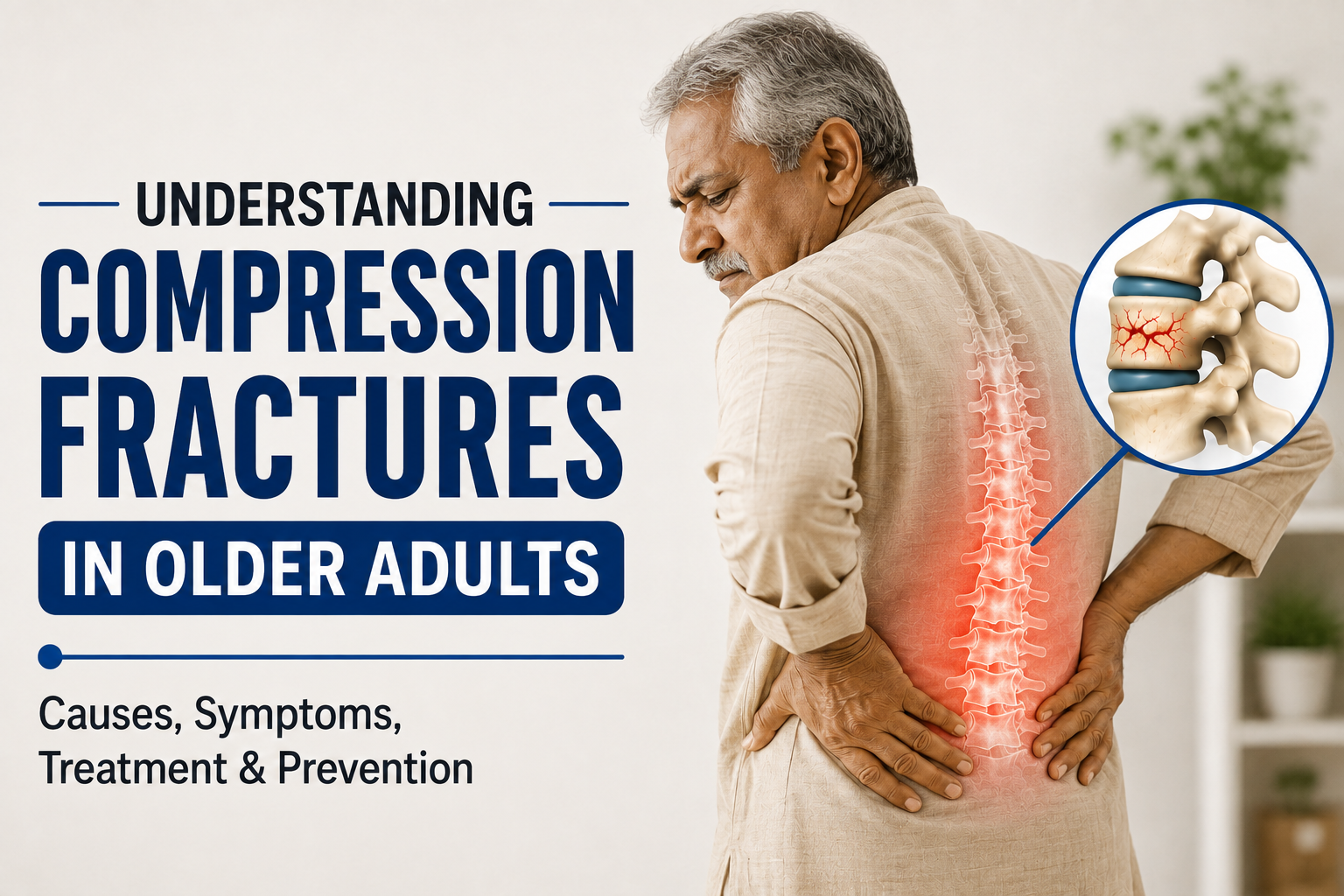
- Vertebral compression fractures
- Chronic back pain
Weak spinal bones are more vulnerable to injury and degeneration over time.
2. Increased Risk of Degenerative Spine Conditions
Low Vitamin D levels have been linked to accelerated bone and joint degeneration.
Patients with Vitamin D deficiency may experience:
- Chronic lower back pain
- Neck pain
- Disc degeneration
- Reduced spinal stability
These conditions often require comprehensive spine treatment to relieve symptoms and improve mobility.
3. Muscle Weakness and Poor Posture
Vitamin D is essential for proper muscle function.
Deficiency may lead to:
- Muscle weakness
- Fatigue
- Poor posture
- Increased risk of falls
Weak supporting muscles place additional stress on the spine, potentially worsening existing spinal conditions.
4. Chronic Pain and Inflammation
Research suggests that Vitamin D deficiency may contribute to chronic musculoskeletal pain and increased inflammation.
Many patients with persistent back pain report symptom improvement after correcting Vitamin D levels under medical supervision.
The Impact of Vitamin D Deficiency on Recovery After Spine Surgery
Recovery after spinal surgery requires proper bone healing, tissue repair, and muscle recovery. Vitamin D plays a vital role in each of these processes.
Delayed Bone Healing
Patients undergoing spinal fusion procedures rely on healthy bone growth for successful outcomes.
Low Vitamin D levels may:
- Slow bone formation
- Delay spinal fusion
- Increase recovery time
- Affect long-term surgical success
Increased Risk of Post-Surgical Complications
Vitamin D supports immune function and tissue healing.
Deficiency may contribute to:
- Slower wound healing
- Increased inflammation
- Reduced rehabilitation progress
- Longer recovery periods
Reduced Functional Recovery
Patients recovering from surgery often participate in physiotherapy and rehabilitation programmes.
Adequate Vitamin D helps improve:
- Muscle strength
- Balance
- Mobility
- Overall recovery outcomes
Signs of Vitamin D Deficiency
Many people are unaware they have low Vitamin D levels because symptoms can be subtle.
Common signs include:
- Persistent back pain
- Muscle weakness
- Bone pain
- Fatigue
- Frequent illness
- Slow recovery from injuries
- Difficulty walking or exercising
If you experience these symptoms, your doctor may recommend blood tests to assess your Vitamin D levels.
Who Is at Higher Risk of Vitamin D Deficiency?
Certain individuals are more likely to develop Vitamin D deficiency, including:
- Office workers with limited sun exposure
- Older adults
- People with darker skin tones
- Individuals with obesity
- Patients with digestive disorders
- People recovering from major surgery
Even in a sunny city like Chennai, many people spend most of their day indoors, increasing the risk of deficiency.
How to Improve Vitamin D Levels
Safe Sun Exposure
Regular exposure to sunlight can help the body naturally produce Vitamin D.
Vitamin D-Rich Foods
Include foods such as:
- Fatty fish
- Egg yolks
- Fortified dairy products
- Mushrooms
- Fortified cereals
Supplements
If deficiency is confirmed through testing, your doctor may recommend Vitamin D supplements to restore healthy levels.
Always consult a healthcare professional before starting supplementation.
Advanced Spine Treatment Options for Patients with Chronic Back Pain
When spinal conditions progress despite conservative care, advanced treatment options may be recommended.
At Chennai Spine Care, patients receive comprehensive evaluation and personalized treatment plans designed to address the underlying cause of spinal pain.
Treatment options may include:
- Physical therapy
- Pain management procedures
- Lifestyle modifications
- Minimally invasive spine procedures
- Surgical intervention when necessary
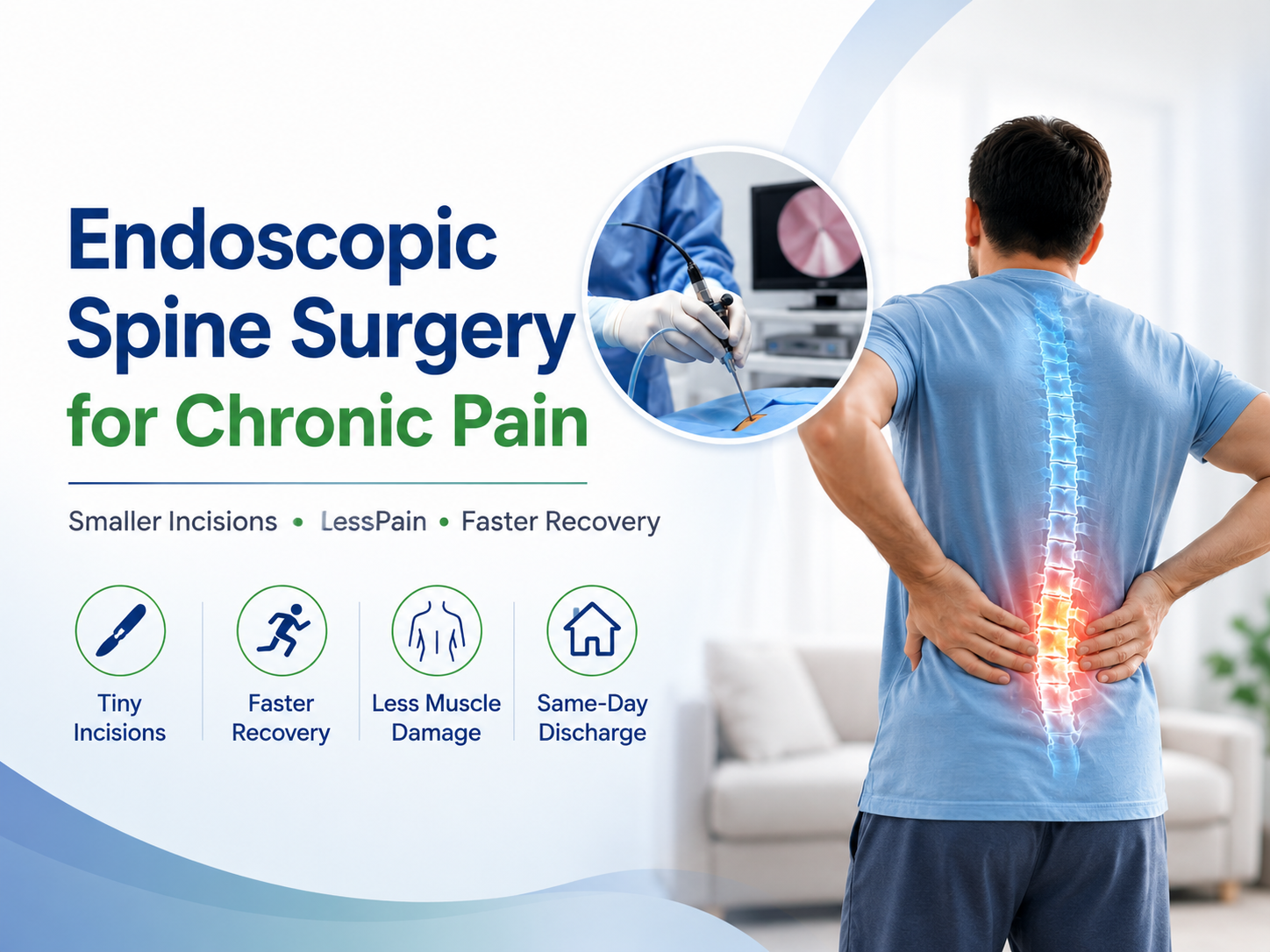
Benefits of Minimally Invasive Spine Surgery
Modern spinal care has evolved significantly, allowing many patients to benefit from advanced minimally invasive techniques.
Patients seeking the best minimally invasive spine surgery often experience:
- Smaller incisions
- Less tissue damage
- Reduced blood loss
- Shorter hospital stays
- Faster recovery
- Lower risk of complications
These procedures are increasingly becoming the preferred choice for suitable candidates with various spinal disorders.
Why Choosing the Right Spine Specialist Matters
Spinal conditions require expert evaluation and treatment.
Consulting the best spinal cord doctor can help ensure:
- Accurate diagnosis
- Personalized treatment plans
- Access to advanced surgical techniques
- Better long-term outcomes
- Improved quality of life
Early intervention often helps prevent minor spinal problems from progressing into more serious conditions.
Conclusion
Vitamin D deficiency can have a significant impact on spinal health, contributing to weakened bones, chronic back pain, muscle weakness, and delayed recovery after surgery. Maintaining healthy Vitamin D levels is an important part of protecting your spine and supporting successful healing following treatment.
At Chennai Spine Care, we believe that comprehensive spinal care goes beyond surgery alone. Proper nutrition, accurate diagnosis, and individualized spine treatment plans play a crucial role in helping patients achieve lasting relief and improved mobility.
If you are experiencing persistent back pain or preparing for spinal surgery, consulting the best spinal cord doctor can help you understand all factors affecting your spinal health and recovery.
Frequently Asked Questions (FAQs)
1. Can Vitamin D deficiency cause back pain?
Yes. Vitamin D deficiency can contribute to bone weakness, muscle pain, inflammation, and chronic back pain, making it an important factor in spinal health.
2. How does Vitamin D affect recovery after spine surgery?
Vitamin D supports bone healing, tissue repair, muscle function, and immune health, all of which are essential for successful recovery after spinal surgery.
3. Who should get tested for Vitamin D deficiency?
Individuals with chronic back pain, osteoporosis, muscle weakness, fatigue, or those preparing for spinal surgery may benefit from Vitamin D testing.
4. Is minimally invasive spine surgery better than traditional spine surgery?
For suitable patients, the best minimally invasive spine surgery techniques can offer smaller incisions, faster recovery, less pain, and reduced tissue damage compared to traditional approaches.
5. When should I consult a spine specialist for back pain?
You should seek professional spine treatment if you experience persistent pain, numbness, weakness, difficulty walking, or symptoms that interfere with daily activities. Early evaluation by the best spinal cord doctor can help prevent further complications.



0 Comments