
Compression fractures are a common spinal problem among older adults, particularly those with osteoporosis or reduced bone density. These fractures occur when one or more vertebrae in the spine become weakened and collapse under pressure. Although a compression fracture may sometimes result from a fall or accident, it can also occur during everyday activities such as bending, lifting, or twisting when the bones are significantly weakened.
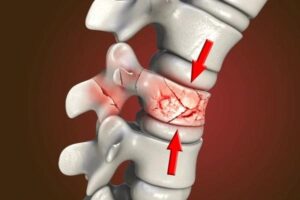
Early diagnosis and appropriate treatment can help reduce pain, prevent further spinal problems, and support better mobility. If you or a loved one has persistent back pain after a fall or sudden movement, consulting a qualified spine fracture treatment doctor in Chennai can help identify the underlying cause.
What Is a Spinal Compression Fracture?
The spine consists of a series of small bones called vertebrae that provide support and protect the spinal cord. A compression fracture happens when the front portion of a vertebra collapses, causing the vertebra to become shorter.
Compression fractures most commonly affect the middle and lower sections of the spine. They can occur as a result of:
- Osteoporosis and weakened bones
- Falls or other injuries
- Road or workplace accidents
- Certain spinal conditions
- Bone tumours or other diseases affecting bone strength
In older adults, osteoporosis is one of the major risk factors. Because weakened bones may fracture with relatively little force, some compression fractures can occur without a major injury.
What Causes Compression Fractures in Older Adults?
As people age, bone density can gradually decrease. Osteoporosis makes bones thinner and more fragile, increasing the risk of fractures. The vertebrae can become particularly vulnerable because they constantly support the body’s weight.
A minor fall or sudden movement may therefore cause a fracture in someone with severely weakened bones. In some cases, a person may develop a compression fracture without remembering any specific injury.
Other risk factors can include a previous history of fractures, low bone density, prolonged use of certain medications, reduced physical activity, and conditions that affect bone health.
Recognising the Symptoms
The symptoms of a compression fracture can vary depending on its severity and location. Common symptoms include:
- Sudden or gradually increasing back pain
- Pain that becomes worse while standing or walking
- Difficulty bending or twisting
- Reduced mobility
- Tenderness around the affected area
- Changes in posture
- Loss of height over time
Multiple compression fractures may contribute to a forward-curved posture known as kyphosis. This can affect balance and mobility and may make everyday activities increasingly difficult.
If back pain suddenly develops after a fall or even a minor movement, older adults should not ignore it. A medical assessment can help determine whether a fracture has occurred.
How Are Compression Fractures Diagnosed?
A doctor will usually begin with a detailed medical history and physical examination. They may ask about the onset of pain, previous injuries, osteoporosis, medications, and other health factors.
Imaging tests can help confirm a diagnosis. Depending on the symptoms, a doctor may recommend:
- X-rays: Useful for identifying changes in the shape or height of vertebrae.
- MRI scans: Can help identify recent fractures, nerve compression, and soft-tissue problems.
- CT scans: Provide detailed images of the bones and can be useful when more information is required.
A bone density test may also be recommended when osteoporosis is suspected. Identifying low bone density is important because treating the underlying bone weakness can help reduce the risk of future fractures.
Spine Fracture Treatment Options
The appropriate spine fracture treatment depends on the severity of the fracture, the patient’s overall health, bone strength, and whether nerves or the spinal cord are affected.
Conservative Treatment
Many stable compression fractures can initially be treated without surgery. Treatment may include prescribed pain medication, temporary activity modification, physiotherapy, and exercises designed to improve strength and mobility.
Doctors may also recommend treatment for osteoporosis to improve bone strength and reduce the risk of additional fractures.
Bracing
In selected cases, a spinal brace may be recommended to provide support while the fracture heals. A brace can help limit painful movements and improve comfort during recovery. However, it should only be used under medical guidance.
Minimally Invasive Procedures
When severe pain continues despite conservative treatment, selected patients may benefit from minimally invasive procedures such as vertebral augmentation. These procedures aim to stabilise the affected vertebra and reduce pain in appropriately selected cases.
The suitability of any procedure depends on an individual’s diagnosis and imaging findings.
Surgery
Surgery may be considered when a fracture is unstable, causes significant spinal deformity, compresses nerves or the spinal cord, or does not respond to appropriate non-surgical treatment.
An experienced orthopedic spine specialist can evaluate the condition and recommend the safest treatment based on the patient’s individual needs.
Why Early Treatment Matters
Ignoring a compression fracture can sometimes lead to continuing pain, spinal deformity, reduced mobility, and an increased risk of additional fractures. Older adults may also become less active because of pain, which can contribute to muscle weakness and reduced independence.
Early assessment allows doctors to identify the fracture, evaluate bone health, and create an appropriate treatment plan. Managing osteoporosis is particularly important because treating the fracture alone does not address the underlying weakness of the bones.
Choosing a Spine Fracture Treatment Doctor in Chennai
When searching for a spine fracture treatment doctor in Chennai, consider a specialist with experience in diagnosing and treating spinal fractures, osteoporosis-related conditions, and other complex spine problems.
Chennai Spine Care focuses on comprehensive spine evaluation and personalised treatment for a range of spinal conditions. The treatment approach can include conservative management, pain management, rehabilitation, and surgical options when medically necessary.
A specialist assessment can help determine whether your symptoms are caused by a compression fracture and whether further investigation or treatment is required.
Preventing Future Compression Fractures
Although not every spinal fracture can be prevented, several measures can reduce the risk:
- Maintain adequate calcium and vitamin D intake as advised by a healthcare professional.
- Follow an appropriate weight-bearing exercise program.
- Have bone density assessed when recommended.
- Take prescribed osteoporosis medication consistently.
- Reduce fall hazards around the home.
- Maintain good muscle strength and balance.
- Attend regular medical check-ups when at increased risk.
Conclusion
Compression fractures should not be considered an unavoidable part of ageing. In older adults, they can be an important sign of weakened bones and should receive appropriate medical attention. Early diagnosis, effective spine fracture treatment, osteoporosis management, and rehabilitation can help reduce pain and support mobility.
If you or a family member is experiencing persistent or sudden back pain in Chennai, consulting an experienced spine fracture treatment doctor can help determine the cause and guide you toward an appropriate treatment plan. Chennai Spine Care provides specialised evaluation and personalised care for a wide range of spinal conditions, including fracture-related problems.
Frequently Asked Questions
1. Are compression fractures common in older adults?
Yes. Compression fractures are particularly common in older adults with osteoporosis or reduced bone density. They can occur after a significant injury or, in some cases, following relatively minor movements.
2. Can a compression fracture heal without surgery?
Many stable compression fractures can improve with non-surgical treatment such as medication, activity modification, bracing when appropriate, and rehabilitation. However, the treatment plan depends on the severity and cause of the fracture.
3. When should I see a spine fracture treatment doctor?
Seek medical evaluation if you develop sudden or persistent back pain, particularly after a fall or injury. Urgent assessment is especially important if pain is accompanied by numbness, weakness, difficulty walking, or changes in bladder or bowel control.
4. Can osteoporosis cause a spine fracture without a fall?
Yes. Severe osteoporosis can make vertebrae fragile enough that normal activities such as bending, lifting, or twisting may sometimes result in a compression fracture.
5. What type of doctor treats spinal compression fractures?
A spine specialist, orthopedic spine surgeon, or other appropriately qualified physician can evaluate spinal compression fractures. The right specialist can determine whether conservative treatment, minimally invasive intervention, or surgery is appropriate.



0 Comments