
Scoliosis is a spinal condition in which the spine curves sideways, forming a C-shaped or S-shaped curve instead of remaining straight. While mild scoliosis may not require treatment, moderate to severe cases often need medical intervention to prevent progression, pain, and posture problems.
In the past, scoliosis treatment relied mainly on traditional open spinal fusion surgery, which involved large incisions and lengthy recovery periods.
However, advancements in medical technology have dramatically changed how surgeons treat spinal deformities today.
Modern innovations such as minimally invasive scoliosis surgery, robotic scoliosis surgery, and non-fusion scoliosis correction techniques have made treatment safer, more precise, and faster to recover from. These developments have significantly improved patient outcomes and quality of life.
If you are looking for new technology for scoliosis treatment in Chennai, Dr. Vignesh Pushparaj, a highly experienced Scoliosis Spine Surgeon in Chennai, provides advanced and cost-effective scoliosis correction surgery using the latest scoliosis surgery techniques.
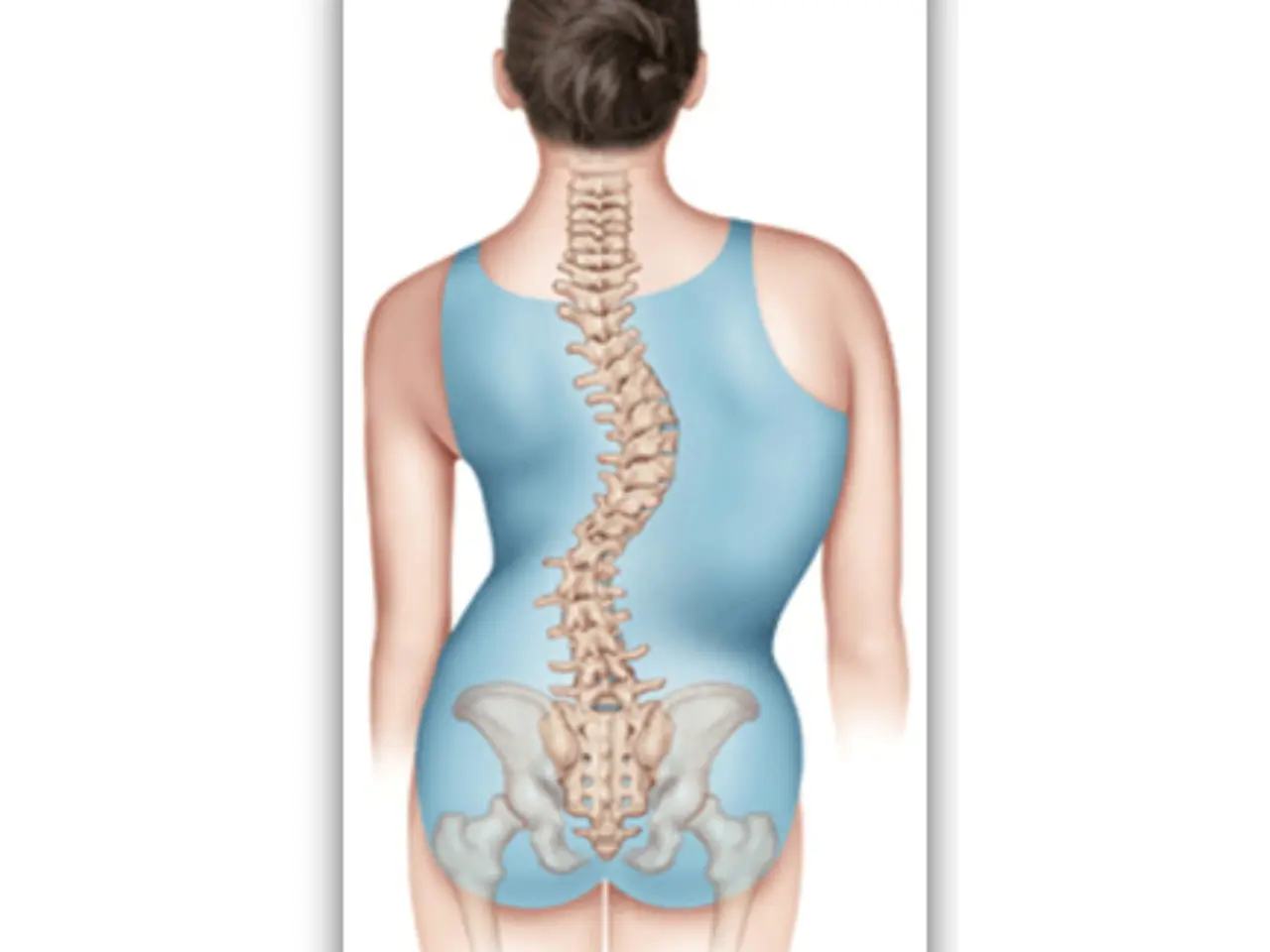
Understanding Scoliosis and Why Treatment Has Evolved
What is Scoliosis?
Scoliosis is a condition where the spine curves abnormally to the side. Instead of maintaining a straight vertical alignment, the spine develops a curvature that may worsen over time.
The condition can affect both children and adults and may cause visible posture changes.
Common types of scoliosis include:
- Idiopathic scoliosis – The most common form, often appearing during adolescence with no clear cause
- Congenital scoliosis – Caused by abnormal spinal development before birth
- Neuromuscular scoliosis – Associated with conditions such as cerebral palsy or muscular dystrophy
- Degenerative scoliosis – Occurs in adults due to age-related spinal degeneration
While mild cases can be managed with monitoring or bracing, severe cases may require modern scoliosis correction surgery.
When is Scoliosis Surgery Needed?
Surgery is usually recommended when the spinal curve becomes severe or continues to worsen despite conservative treatment.
Doctors may recommend scoliosis correction surgery when:
- The spinal curve exceeds 40–50 degrees
- The curvature continues to progress rapidly
- Severe back pain develops
- Posture imbalance becomes noticeable
- Lung or breathing problems occur due to spinal deformity
With advancements in advanced scoliosis treatment techniques, surgery today is safer and more effective than ever before.
Limitations of Traditional Scoliosis Surgery
Traditional scoliosis surgery primarily involved open spinal fusion, which, although effective, had several limitations.
Challenges of traditional surgery included:
- Large surgical incisions
- Significant muscle damage
- Greater blood loss
- Longer hospital stays
- Limited spinal flexibility after surgery
These limitations led to the development of modern spine surgery for scoliosis, focusing on precision, minimally invasive techniques, and better recovery outcomes.
How Modern Scoliosis Correction Surgery Has Changed
In recent years, medical technology has transformed scoliosis treatment. Surgeons now have access to highly advanced tools and techniques that improve surgical precision and patient recovery.
Key advancements in modern scoliosis treatment include:
- Minimally invasive scoliosis surgery
- Robotic scoliosis surgery
- Computer-assisted navigation systems
- 3D imaging technology
- Motion-preserving correction methods
These innovations allow surgeons to achieve better spinal alignment while minimizing tissue damage.
Today, patients have multiple scoliosis correction surgery options, depending on the severity of their condition and individual health needs.
Minimally Invasive Scoliosis Surgery
What is Minimally Invasive Scoliosis Surgery?
Minimally invasive scoliosis surgery is an advanced technique that corrects spinal curvature through small incisions using specialized instruments and imaging guidance.
Unlike traditional open surgery, this approach preserves surrounding muscles and tissues as much as possible.
This technique has become one of the most important latest scoliosis surgery techniques used in modern spine surgery.
Benefits of Minimally Invasive Surgery
Patients undergoing minimally invasive procedures often experience several advantages compared to traditional surgery.
Benefits include:
- Smaller surgical incisions
- Minimal muscle damage
- Reduced blood loss
- Less postoperative pain
- Faster recovery
- Shorter hospital stay
- Lower risk of infection
These benefits make minimally invasive scoliosis surgery an increasingly popular option in modern scoliosis correction surgery.
Robotic Scoliosis Surgery: Precision and Safety
What is Robotic Scoliosis Surgery?
Robotic scoliosis surgery is a cutting-edge technology that helps surgeons perform highly precise spinal procedures.
The robotic system uses advanced 3D imaging and computer-guided navigation to assist in placing spinal implants accurately during surgery.
The surgeon remains fully in control, while the robotic technology enhances accuracy and planning.
Advantages of Robotic Spine Surgery
Robotic technology has significantly improved the safety and effectiveness of scoliosis surgery.
Key benefits include:
- Extremely accurate implant placement
- Improved spinal alignment correction
- Reduced risk of nerve damage
- Smaller incisions and less tissue damage
- Greater surgical precision
- Faster recovery times
Many patients searching for new technology for scoliosis treatment in Chennai are increasingly choosing robotic scoliosis surgery due to its advanced capabilities.
Non-Fusion Scoliosis Correction Techniques
What Are Non-Fusion Scoliosis Treatments?
Traditional scoliosis surgery often involves spinal fusion, which permanently joins two or more vertebrae together.
However, non-fusion scoliosis correction techniques have emerged as innovative alternatives that allow the spine to retain more natural movement.
Examples include:
- Vertebral Body Tethering (VBT)
- Growth-friendly surgical techniques for children
- Dynamic scoliosis correction systems
These techniques are particularly beneficial for growing children and adolescents.
Benefits of Non-Fusion Techniques
Non-fusion procedures offer several advantages compared to traditional spinal fusion.
Benefits include:
- Preservation of spinal flexibility
- Continued spinal growth in young patients
- Reduced stiffness after surgery
- Improved long-term mobility
These techniques represent a major breakthrough in modern scoliosis correction surgery.
Spinal Fusion vs Modern Scoliosis Surgery
Traditional Spinal Fusion
Spinal fusion has long been the standard surgical treatment for severe scoliosis.
During this procedure:
- Two or more vertebrae are permanently fused together
- Metal rods, screws, and bone grafts are used to stabilize the spine
- Spinal curvature is corrected and prevented from worsening
While effective, fusion limits movement in the treated portion of the spine.
Modern Alternatives
Advancements in technology have introduced several modern scoliosis surgery options that offer improved outcomes.
Modern techniques focus on:
- Preserving spinal mobility
- Using minimally invasive surgical approaches
- Enhancing accuracy with robotic technology
- Achieving better cosmetic and functional results
The comparison of spinal fusion vs modern scoliosis surgery highlights how innovation has improved patient care and recovery.
Latest Technologies Transforming Scoliosis Surgery
Several advanced technologies are now used to perform safer and more precise scoliosis correction procedures.
Key innovations include:
- 3D spinal imaging systems
- Computer-assisted surgical navigation
- Robotic-assisted spine surgery
- Advanced titanium spinal implants
- Intraoperative neuromonitoring to protect nerves
These technologies enable surgeons to perform advanced scoliosis treatment techniques with higher accuracy and safety.
They have revolutionized modern spine surgery for scoliosis across leading spine centers.
Benefits of Modern Scoliosis Correction Techniques
Thanks to medical advancements, scoliosis surgery today offers significantly better results than older techniques.
Benefits of modern scoliosis surgery include:
- More accurate spinal deformity correction
- Reduced surgical risks
- Less postoperative pain
- Faster recovery and rehabilitation
- Shorter hospital stays
- Improved posture and spinal balance
- Better long-term quality of life
These improvements make modern scoliosis correction surgery safer and more effective for patients.
Why Choose an Experienced Scoliosis Spine Surgeon in Chennai?
Scoliosis correction is a complex procedure that requires specialized expertise and advanced surgical skills.
Choosing the right surgeon plays a critical role in achieving successful outcomes.
Why Expertise Matters
An experienced surgeon ensures:
- Accurate diagnosis and surgical planning
- Selection of the best scoliosis correction surgery options
- Safe use of modern technologies
- Better surgical precision
- Reduced complications
Dr. Vignesh Pushparaj – Leading Scoliosis Spine Surgeon in Chennai
Dr. Vignesh Pushparaj is a highly experienced Scoliosis Spine Surgeon in Chennai known for providing advanced and patient-focused spinal care.
His expertise includes:
- Modern scoliosis correction surgery
- Minimally invasive scoliosis surgery
- Robotic scoliosis surgery
- Advanced scoliosis treatment techniques
- Personalized treatment plans for each patient
Patients looking for new technology for scoliosis treatment in Chennai can benefit from his expertise in the latest scoliosis surgery techniques, ensuring effective correction and improved quality of life.
Conclusion
Scoliosis treatment has evolved dramatically over the past decade. Innovations such as minimally invasive scoliosis surgery, robotic scoliosis surgery, and non-fusion scoliosis correction techniques have transformed how spinal deformities are treated.
Today, modern scoliosis correction surgery focuses on precision, safety, and faster recovery, allowing patients to return to their normal lives sooner.
If you or a loved one is experiencing scoliosis symptoms, consulting an experienced Scoliosis Spine Surgeon in Chennai like Dr. Vignesh Pushparaj can help you explore the most effective scoliosis correction surgery options available.
With access to advanced scoliosis treatment techniques and modern spine surgery for scoliosis, patients can achieve excellent outcomes and improved spinal health.

0 Comments