
For decades, spine surgery was associated with significant pain, a long hospital stay, and a challenging recovery process. Today, that narrative is being completely rewritten.
At the heart of this change is the Enhanced Recovery After Surgery (ERAS) protocol—a comprehensive, evidence-based approach designed to optimize your care before, during, and after surgery to achieve a faster, smoother, and more comfortable recovery.
As a spine surgeon, I have witnessed firsthand how technological innovation is the powerful engine driving these advanced ERAS protocols.
This integration of advanced technology is transforming spine surgery into a safer, more precise, and less daunting experience for my patients in Chennai and across India.
This page will guide you through how these new technologies are creating a new standard of care.
The Foundation: Core Principles of ERAS in Spine Surgery
Before delving into the exciting new technologies, it’s crucial to understand the three pillars of the ERAS pathway. These principles form the bedrock upon which all technological advancements are built.
The Three Pillars of the ERAS Pathway
Preoperative Optimization: Preparing for Success
The journey to a successful recovery begins long before the surgery. The goal is to prepare your body and mind to withstand the surgical stress and heal effectively.
- Patient Education and Expectation Management: We ensure you fully understand the procedure, the recovery process, and your vital role in it. Knowing what to expect significantly reduces anxiety and improves cooperation.
- Nutritional Counseling and Prehabilitation: We may recommend a specific diet to build strength and sometimes a course of “prehab”—physical therapy before surgery—to condition your body.
- Medical Optimization: We carefully manage any existing conditions like anemia or diabetes to ensure you are in the best possible health for surgery.
Intraoperative Management: Minimizing Surgical Impact
This phase focuses on employing techniques during the operation itself to reduce the body’s stress response.
- Minimally Invasive Surgical Approaches: Prioritizing techniques that spare muscles and soft tissues over traditional open surgeries.
- Precise Anesthesia Protocols (Multimodal Analgesia): Using a combination of non-opioid pain relief methods (local anesthetics, nerve blocks) to manage pain more effectively and reduce the need for opioids.
- Reduced Use of Drains and Catheters: Minimizing invasive tubes to enhance comfort and allow for earlier mobility.
Postoperative Accelerators: Promoting Rapid Healing
The focus immediately after surgery is to actively encourage your body’s natural healing processes.
- Early Mobilization: Getting you out of bed and walking as soon as possible—often on the same day of surgery—to prevent complications and speed up recovery.
- Aggressive Pain Control with Reduced Opioids: Continuing multimodal pain strategies to keep you comfortable without the debilitating side effects of heavy opioids.
- Early Feeding and Hydration: Encouraging drinking and eating soon after surgery to replenish energy and aid healing.
The Technological Vanguard: New Tools Powering Modern ERAS
The core ERAS principles are now being supercharged by a suite of advanced technologies, allowing for unprecedented levels of precision and safety.
- Advanced Surgical Planning & Augmented Reality (AR)
From 2D Scans to 3D Digital Twins
Gone are the days of relying solely on 2D MRI or CT scans. We now use sophisticated software to convert your scans into a precise 3D digital model of your spine.
This “digital twin” allows me to plan every step of your procedure in a virtual environment.
I can determine the optimal trajectory for screw placement, choose the perfect implant size, and anticipate potential challenges long before entering the operating room.
Augmented Reality in the Operating Room
This is where the digital plan meets the physical world. Using AR headsets or screens, I can see the planned screw pathways and anatomical structures overlaid onto my real-world view of the surgical field. It acts like a GPS for your spine.
- Patient Impact:
- Enhanced Precision: Guides perfect implant placement, drastically minimizing the risk to delicate nerves and blood vessels.
- Smaller Incisions: Allows for the most minimally invasive approach with absolute confidence, as I can “see” beneath the surface.
- Reduced Radiation: Significantly reduces or even eliminates the need for repeated X-rays (fluoroscopy) during surgery, enhancing safety for both you and the surgical team.
- Robotic-Assisted Spine Surgery
The Surgeon’s Robotic Partner
It is vital to understand that the robot does not perform surgery on its own.
It is an intelligent tool that I control. The robotic arm executes the preoperative plan with sub-millimeter accuracy, providing unmatched stability and guidance.
Direct Benefits for ERAS and Recovery
The precision of robotics translates directly into tangible benefits that align perfectly with ERAS goals.
- Unmatched Accuracy: Studies show robotic assistance leads to extremely high rates of perfect screw placement, virtually eliminating the need for revision surgery due to misplaced hardware.
- Minimized Tissue Damage: The robot’s guidance allows for a precise, pre-planned pathway, meaning less muscle dissection, tearing, and overall tissue trauma.
- Impact: This directly results in less postoperative pain, significantly reduced blood loss, and a faster, easier pathway to getting out of bed and walking—the cornerstone of ERAS.
- Next-Generation Minimally Invasive Techniques
Beyond Smaller Scars
Minimally Invasive Spine Surgery (MISS) is a philosophy backed by advanced technology.
- Tubular Retractor Systems: These create a small, tunneled corridor to access the spine, pushing muscles aside instead of cutting through them, which preserves their function and integrity.
- Endoscopic Spine Surgery: For certain conditions like disc herniations or spinal stenosis, we can use an endoscope—a thin tube with a high-definition camera—through an incision as small as a keyhole.
The ERAS Connection
- Preserves Anatomy: By leaving muscles and ligaments largely intact, the body experiences less surgical trauma.
- Faster Functional Recovery: Patients experience less pain immediately after surgery, often walk within hours, and typically enjoy a much shorter hospital stay, sometimes even returning home the same day.
- Intelligent Intraoperative Monitoring (IOM)
The “Guardian Angel” for Nerves
IOM is a sophisticated technology that continuously monitors the function of your spinal cord and nerves throughout the operation. It provides real-time auditory and visual feedback the instant a nerve’s function shows even the slightest change.
Patient Impact
- Proven Safety: This immediate warning system allows me to adjust surgical instruments or implants instantly, dramatically lowering the risk of neurological injury.
- Surgeon Confidence: For complex procedures like scoliosis correction, IOM provides the confidence to achieve the best possible alignment knowing that the nervous system is being protected in real-time.
- Data Analytics & AI in Personalized Care Pathways
Predicting Your Recovery Journey
We are entering an era of predictive medicine. By using artificial intelligence and machine learning to analyze vast datasets from previous patients, we can now predict individual risks.
- Subheading: Tailoring the ERAS Protocol:
- These algorithms can forecast a patient’s specific risk for complications, their likely pain trajectory, and their expected recovery timeline. This allows my team and me to create a fully personalized ERAS plan for you, focusing our efforts on preventing predicted issues before they even arise.
The Patient Experience: Tangible Benefits of a Tech-Enabled ERAS Pathway
So, what does this all mean for you? The combination of a structured ERAS pathway and advanced technology culminates in a profoundly improved experience:
- Reduced Postoperative Pain: With multimodal pain strategies and less tissue damage, you will experience greater comfort with minimal need for opioids and their unpleasant side effects like nausea and drowsiness.
- Shorter Hospital Stays: Many patients undergoing minimally invasive, tech-assisted procedures are able to return home in 1-3 days instead of a week or more.
- Faster Return to Function: Less pain and early mobilization mean you can return to your daily activities, work, and hobbies much quicker.
- Higher Overall Satisfaction: Patients feel more empowered, experience less surgical trauma, and benefit from outcomes that were not possible just a few years ago.
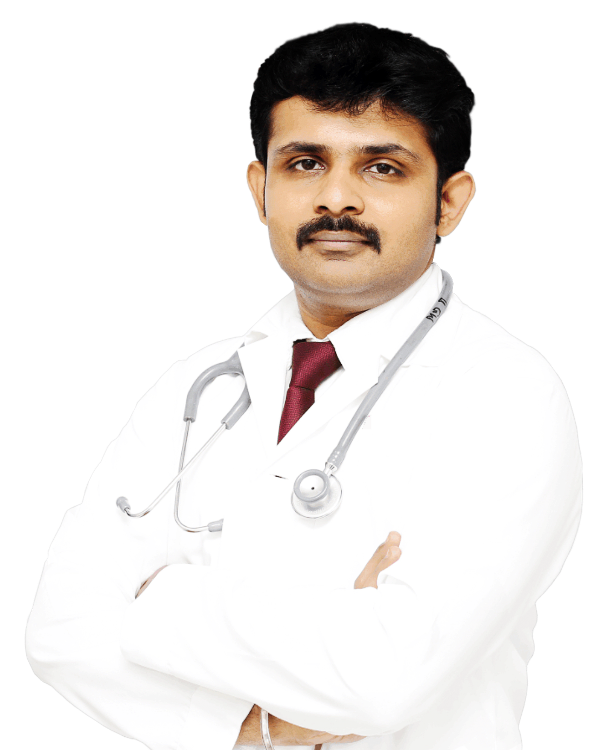
Why Choose Dr. Vignesh Pushparaj for Your Tech-Advanced Spine Care?
With over 15 years of experience specializing in complex spinal conditions, I am committed to providing the highest standard of care available anywhere in the world. My practice is built on two core principles:
- A Pioneer in Advanced Techniques: I am dedicated to staying at the forefront of surgical innovation. I am not just familiar with these technologies; I have actively integrated them into my practice to offer my patients in Chennai the most advanced, effective, and safe treatment options.
- A Holistic, Patient-Centered Philosophy: Technology is a powerful tool, but it is never a substitute for compassionate, individualized care. My focus is always on you—the patient. I take the time to listen, explain, and develop a treatment plan that aligns with your unique needs and goals.
Frequently Asked Questions (FAQ)
Is robotic spine surgery safe?
Yes, absolutely. When performed by a trained and experienced surgeon, robotic assistance enhances safety. It adds a layer of precision and predictability that reduces the potential for human error, leading to superior outcomes.
Will these new technologies make my surgery more expensive?
While there is an associated cost with advanced technology, it is important to view it as an investment in your health. The benefits—including a shorter hospital stay, lower risk of complications, reduced pain medication needs, and a faster return to work—often make it incredibly valuable from both a health and economic perspective.
Am I a candidate for a minimally invasive spine surgery with ERAS?
Candidacy depends entirely on your specific diagnosis, anatomy, and overall health. Some complex conditions may still require traditional approaches. The only way to know for sure is through a comprehensive evaluation. After reviewing your advanced imaging and understanding your symptoms, I will determine if a minimally invasive, tech-enabled ERAS approach is the safest and most effective option for you.
Take the Next Step Toward a Better Recovery
If you are suffering from a spinal condition and are considering surgery, know that the field has evolved. You have options for a less painful and faster recovery.
I invite you to schedule a consultation with me, Dr. Vignesh Pushparaj, at my clinic in Chennai. Together, we will review your diagnosis, discuss all treatment options, and determine if you are a candidate for these transformative, technology-enhanced spine surgery techniques.



0 Comments