
Spinal Fusion Surgery: Risks and Benefits

For Dr. Vignesh Pushparaj, the Best Spine Surgeon in Chennai Spinal fusion surgery is a procedure designed to permanently connect two or more vertebrae in the spine, eliminating motion between them. It is commonly used to treat conditions like chronic back pain, degenerative disc disease, spinal instability, and deformities such as scoliosis. This surgical intervention is often recommended when non-surgical treatments fail to provide relief. In this article, we will discuss Spinal Fusion Surgery, its risks, benefits, and the alternatives available for patients suffering from chronic back pain. Dr. Vignesh Pushparaj, a highly skilled spine surgeon in Chennai, has extensive experience in spinal fusion procedures, ensuring a high spinal fusion surgery success rate for his patients. If you are seeking back pain treatment in Chennai, this guide will help you understand the potential of spinal fusion surgery and whether it’s the right solution for your condition. What is Spinal Fusion Surgery? Spinal fusion surgery involves permanently joining two or more bones in the spine, called vertebrae, to eliminate movement between them. This procedure helps relieve pain caused by abnormal motion between vertebrae or by mechanical issues within the spine. Once the vertebrae are fused, they heal into a single, solid bone, providing stability to the spine. Types of Spinal Fusion Surgery There are different approaches to spinal fusion, and the choice of technique depends on the patient’s condition and the location of the problem within the spine: 1. Anterior Lumbar Interbody Fusion (ALIF): Fusion through the front of the body.2. Posterior Lumbar Interbody Fusion (PLIF): Fusion through the back.3. Transforaminal Lumbar Interbody Fusion (TLIF): Fusion through a side approach to the spine. When is Spinal Fusion Necessary? Spinal fusion surgery is often considered when other treatments have failed, and the following conditions may require this intervention: * Degenerative disc disease: Deterioration of the discs between vertebrae.* Spinal instability or deformities like scoliosis.* Herniated discs that have not responded to conservative treatments.* Spinal fractures or tumors.* Severe arthritis or spinal stenosis, causing nerve compression and pain. Benefits of Spinal Fusion Surgery: Long-Term Relief from Pain- One of the primary benefits of spinal fusion surgery is long-term pain relief, particularly for patients who suffer from chronic conditions such as spinal instability or herniated discs. By stabilizing the spine, the procedure reduces or eliminates the abnormal movement that can aggravate nerves and surrounding tissue, providing relief from pain. Improved Mobility and Quality of Life After a successful spinal fusion surgery recovery, many patients report significant improvements in mobility and overall quality of life. The procedure allows patients to return to their daily activities with less discomfort and greater ease of movement, especially when guided by a comprehensive rehabilitation program. High Spinal Fusion Surgery Success Rate Advances in medical technology and surgical techniques have increased the spinal fusion surgery success rate. Dr. Vignesh Pushparaj, a leading spine surgeon in Chennai, has consistently delivered successful outcomes for his patients, helping them achieve relief from chronic pain and a better quality of life. Risks of Spinal Fusion Surgery: Potential Complications- Like any major surgery, spinal fusion surgery carries risks. Some potential complications include: 1. Infection: There is a risk of infection at the surgical site, which may require antibiotics or, in rare cases, additional surgery. 2. Blood Clots: Blood clots can form after surgery, particularly in the legs, and may lead to serious complications if not treated. 3. Nerve Damage: Nerve injury during surgery can lead to pain, numbness, or weakness, though these complications are rare in experienced hands. 4. Failure to Relieve Pain: In some cases, the surgery may not completely relieve pain, especially if other underlying issues are present. This is why it’s crucial to select the right candidates for surgery through proper diagnosis and evaluation. Prolonged Recovery Period The recovery period after spinal fusion surgery can be long and requires patience. The average spinal fusion surgery recovery time may range from several months to a year, depending on the complexity of the surgery and the patient’s overall health. Physical therapy is a crucial part of the recovery process, helping patients regain strength and mobility. Spinal Fusion Surgery Alternatives: Non-Surgical Treatments Before considering spinal fusion surgery, there are several non-surgical options that may provide relief for back pain: * Physical Therapy: A customized physical therapy program can help strengthen the muscles around the spine and improve flexibility, which may alleviate pain. * Medications: Anti-inflammatory medications and muscle relaxants are often prescribed to manage pain and inflammation. * Injections: Corticosteroid injections or nerve blocks can provide temporary relief from pain and inflammation. Minimally Invasive Spine Surgery For some patients, minimally invasive procedures may offer an alternative to spinal fusion surgery. These surgeries involve smaller incisions and typically have shorter recovery times. Pre-Surgery Preparation Patients undergoing spinal fusion surgery need to be adequately prepared. Dr. Vignesh Pushparaj ensures that his patients understand the procedure, the risks, and the necessary steps to take before surgery, such as stopping certain medications and maintaining good physical health. Post-Surgery Recovery The spinal fusion surgery recovery process can be challenging, but with proper care and guidance, most patients achieve significant improvements. The initial recovery period typically lasts 3 to 6 weeks, during which time patients will need to follow their surgeon’s instructions closely. Rehabilitation and Physical Therapy Physical therapy is essential to ensure a successful recovery. It helps rebuild strength, improve mobility, and prevent future complications. Patients should be prepared for regular therapy sessions to optimize their recovery. Returning to Normal Activities The timeline for returning to work or normal activities varies depending on the patient’s condition and the type of work they do. Typically, patients can expect to return to sedentary work within 4 to 6 weeks, while more physically demanding jobs may require a longer recovery period. Spinal Fusion Surgery Success Rate and Outcomes Factors Influencing Success Rate- The spinal fusion surgery success rate depends on several factors, including the patient’s overall health, the severity of their condition, and the surgeon’s experience. Selecting a highly qualified and experienced
Spinal Fusion Surgery Vs Cervical Artificial Disc Replacement Surgery
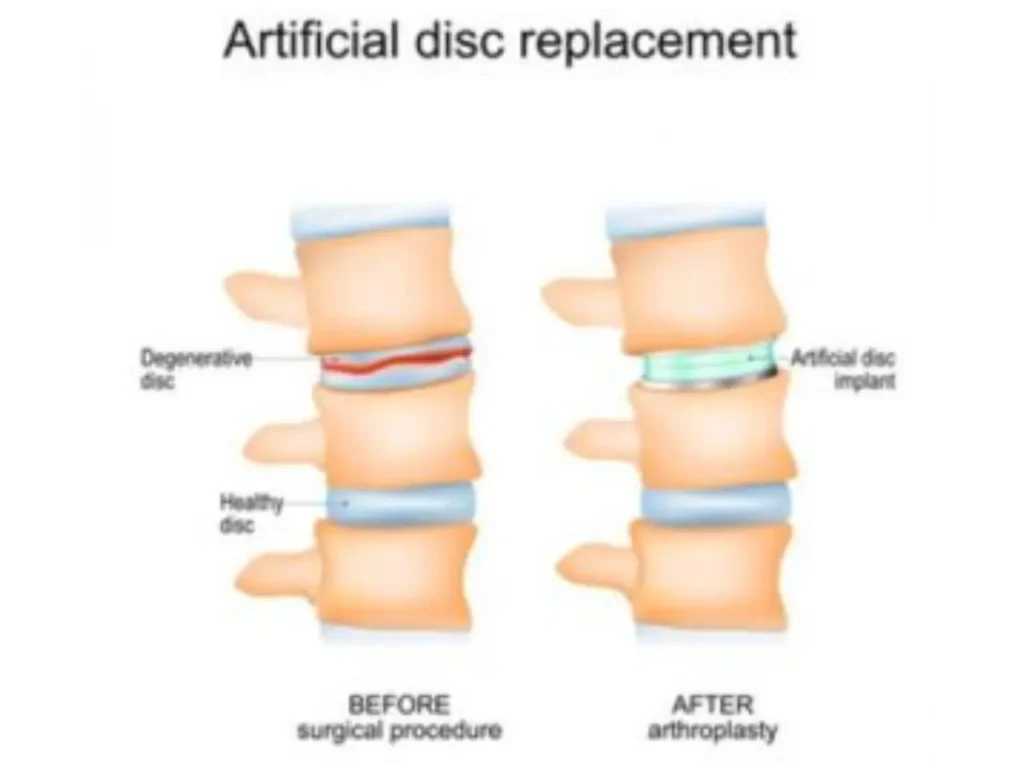
Which is Better: Cervical Spinal Fusion or Cervical Artificial Disc Replacement Surgery Cervical disc prolapse is one of the health problems that affect millions of men and women in India, irrespective of their age and the location they live. According to medical experts, people aged 25 to 65 suffer from neck pain issues. It can severely limit your ability to perform daily activities. It affects men and women when discs between the vertebrae (bones in the spine) get damaged, ruptured or deteriorate. Disc-related problems often get better with a sufficient amount of time. Sometimes surgery is the only option. Depending on the severity of the condition, doctors may first recommend conventional treatment. But when it does not provide relief from cervical disc prolapse surgery might be the only hope to restore mobility and ease the pain. If you are living in Chennai and suffer from neck and back problems, consult Dr. Vignesh Pushparaj, the best spine and pain doctor in Chennai. For more details, contact us today! There are two types of surgical procedures available namely; spinal fusion and cervical artificial disc replacement. These surgery options are suggested by doctors to patients with neck pain problems. Find more about them below. Spinal Fusion Surgery Vs Cervical Artificial Disc Replacement Surgery One of the most common causes of Cervical disc prolapse is muscle strain which occurs when it is stretched beyond the limit. It usually resolves within a few days or weeks. However, chronic Cervical disc prolapse is caused chiefly due to damage to facet joints or discs and problems associated with the spinal column and nerves present in the neck, also known as the cervical spine. Both spinal fusion surgery and artificial cervical disc replacement surgery have been used by spine experts in the past. However, it is important to know the better option today. Thus, an in-depth understanding of the options and consulting experienced and qualified doctors will help you in making the final decision. What is Cervical Spinal Fusion? In the spinal fusion surgery procedure, the spine surgeon fuses the bones present in the spine using the bone grafting process. Similarly, cervical spinal fusion involves the fusion of vertebrae in the neck region of the spinal column. There are different variations in the approach. For example, some surgical techniques follow fusion from the front, some use the back, while others use both the front and back. Ultimately, the objective is that two or more vertebral bones are fused into a single bone. However, you should always consult only the best surgeon for spinal fusion surgery. What is Cervical Artificial Disc Replacement? Cervical artificial disc replacement is a relatively new alternative to cervical spinal fusion surgery for treating disc prolapse. In this procedure, the objective is to eliminate pain by replacing the vertebral disc causing pain with an artificial joint or prosthesis. If you are a resident of Chennai and suffering from cervical disc prolapse seek the help of a specialist immediately. Dr. Vignesh Pushparaj is one of the leading doctors for cervical artificial disc replacement in Chennai. Contact today! The latest data and research show that cervical artificial disc replacement has many advantages over fusion. First of all, in the past two decades with the advancement of technology and the discovery of new materials, the replacement of affected cervical discs is made possible and more preferred than fusion. Similar to hip and knee replacement procedures, high-quality replacement prosthesis helps in the natural movement of the neck. It also restores alignment and stability. Another advantage of cervical artificial disc replacement over fusion is that it has a lower rate (2-3 times) of additional surgery required. Moreover, medical experts in general opine that less wear and tear is observed at adjacent spinal levels along with lower adjacent segment disease with cervical artificial disc replacement. When it comes to recovery, patients who have undergone artificial disc replacement do not need braces or support. It also eliminates the doubt regarding healing associated with fusion. In addition, patients can get back to normal activities faster, possibly after a few weeks as recommended by doctors. Vigorous physical activities can also be done post three months of surgery. In the end, it is important to have an in-depth discussion with a qualified and experienced spine doctor. Based on your condition, medical history and associated risks, your doctor is the best person to offer you the best advice related to spine surgery. Dr. Vignesh Pushparaj is one of the most well-known, experienced and highly-qualified spine doctors in Chennai, who has successfully treated countless patients with complex neck and spine disorders. He is also the best spinal cord injury doctor in Chennai. For more details, contact us today.