
How Obesity Affects Spine Health: Prevention & Treatment Tips
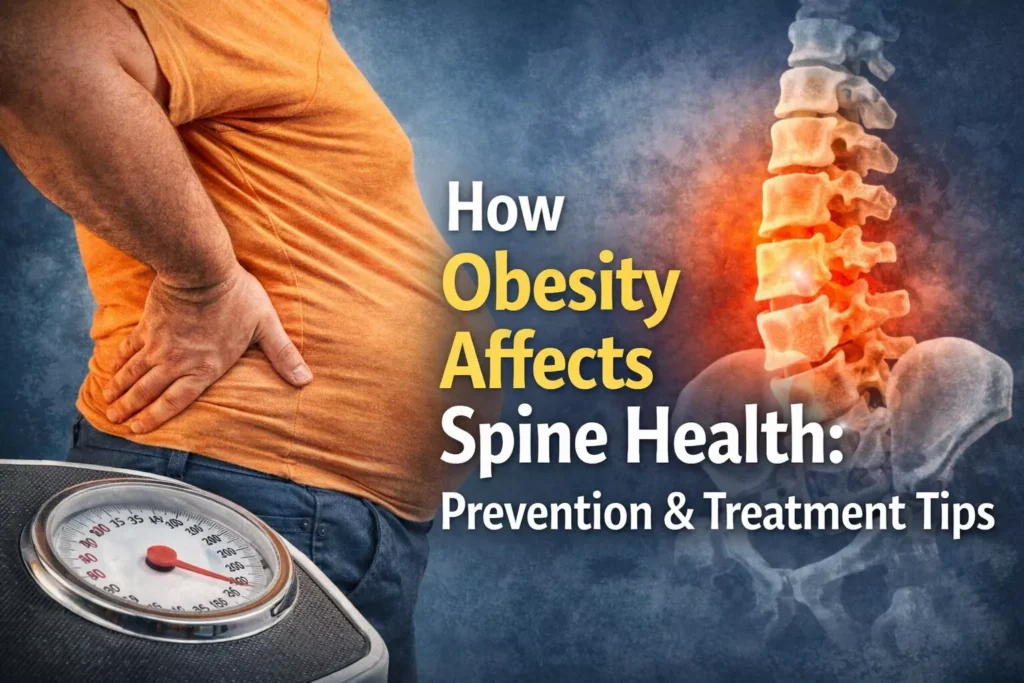
Modern lifestyles, long sitting hours, and unhealthy eating habits have led to a sharp rise in obesity across all age groups. One of the most overlooked consequences of excess body weight is its impact on the spine. Many people suffer from persistent back or neck discomfort without realizing the strong connection between obesity and spine health. Understanding how obesity affects spine health is essential for preventing long-term complications such as disc problems, nerve compression, and chronic pain. Dr. Vignesh Pushparaj, a leading spine surgeon in Chennai with over 20 years of experience, specializes in advanced treatment for scoliosis, disc disorders, and complex spinal conditions. This article explains the link between obesity and spinal problems, along with practical prevention and treatment tips. Understanding the Connection Between Obesity and Spine Health What Happens to the Spine When Body Weight Increases? The spine is designed to support body weight while allowing flexibility and movement. It is made up of vertebrae, intervertebral discs, joints, and nerves that work together to maintain posture and mobility. When body weight increases: The spine is forced to carry additional load. Weight gain and spinal pressure increase significantly, especially during standing and walking. Muscles supporting the spine become strained. Poor posture develops due to abdominal fat pulling the body forward. Over time, this extra stress leads to excess weight and spinal problems, including disc wear, joint degeneration, and chronic discomfort. Why the Lower Back Is Most Affected The lumbar spine supports most of the body’s weight, making it highly vulnerable to damage. This is why there is a strong link between obesity and lower back pain. Increased abdominal weight shifts the center of gravity. The lower back curves excessively. Muscles fatigue faster. Chronic obesity back pain develops due to continuous strain. How Obesity Causes Back Pain and Spinal Damage Increased Mechanical Stress on the Spine One of the main reasons how obesity causes back pain is constant mechanical overload. Extra body weight compresses spinal joints. Shock-absorbing capacity reduces. Facet joints experience early wear and tear. Movement becomes painful and restricted. Obesity Impact on Spinal Discs Intervertebral discs act as cushions between the vertebrae. Excess pressure affects their structure. Discs lose hydration faster. Risk of disc bulge increases. Disc height reduces. The obesity impact on spinal discs often leads to stiffness and pain. Inflammation and Nerve Irritation Obesity is associated with chronic low-grade inflammation. Inflammatory chemicals increase pain sensitivity. Swelling may irritate spinal nerves. Leads to radiating pain, numbness, or tingling sensations. Common Obesity Related Spine Conditions Obesity and Degenerative Disc Disease There is a strong relationship between obesity and degenerative disc disease. Accelerated disc wear Reduced flexibility Chronic stiffness Difficulty performing daily activities Obesity and Herniated Disc Excess load increases the risk of disc rupture. Obesity and herniated disc cases are common in middle-aged adults. Can cause severe back pain and sciatica. May lead to nerve compression. Other Obesity Related Spine Conditions Some frequently seen obesity related spine conditions include: Spinal stenosis Facet joint arthritis Postural imbalance Muscle weakness Chronic lower back strain Warning Signs That Your Weight Is Affecting Your Spine Early Symptoms Persistent dull lower back ache Muscle tightness Reduced flexibility Fatigue after standing Advanced Symptoms Radiating leg pain Numbness or tingling Difficulty standing for long periods Walking intolerance These signs often indicate progressing excess weight and spinal problems. Can Losing Weight Reduce Back Pain? Benefits of Weight Loss on Spine Health Many patients ask, can losing weight reduce back pain? The answer is often yes. Weight reduction helps: Decrease spinal load Improve posture Reduce inflammation Enhance mobility Even moderate weight loss can significantly reduce obesity back pain. How Much Weight Loss Makes a Difference? Studies and clinical experience show that: Losing just 5–10% of body weight Can noticeably improve obesity and lower back pain Reduces risk of disc degeneration Prevention of Back Pain in Obesity Lifestyle Changes That Protect Your Spine Long-term prevention of back pain in obesity requires consistent lifestyle changes: Balanced, calorie-controlled diet Regular physical activity Maintaining correct posture Avoiding prolonged sitting Spine Health Tips for Overweight Adults Practical spine health tips for overweight adults include: Maintain a healthy BMI Use ergonomic chairs Take frequent movement breaks Practice safe lifting techniques Sleep on a supportive mattress Exercises for Obese People With Back Pain Safe Beginner Exercises Recommended exercises for obese people with back pain include: Walking Swimming or water therapy Stationary cycling These improve endurance without stressing the spine. Spine Strengthening Movements Core strengthening exercises Gentle stretching Guided physiotherapy programs Posture correction training Exercises to Avoid High-impact running Heavy weightlifting Sudden twisting movements These may worsen obesity and spine health issues. Treatment Options for Obesity Related Back Pain Non-Surgical Treatments Common treatment options for obesity related back pain include: Physiotherapy and rehabilitation Pain management medications Weight reduction programs Lifestyle modification plans Posture correction therapy Advanced Spine Treatments For persistent symptoms: Image-guided spinal injections Minimally invasive spine procedures Disc preservation techniques These treatments reduce pain while preserving spinal function. When Spine Surgery May Be Needed Surgery may be recommended when: Severe nerve compression is present Conservative treatment fails Structural deformity affects mobility In such cases, consulting an experienced spine surgery doctor in Chennai is crucial. Why Early Consultation With a Spine Specialist Matters Benefits of Timely Diagnosis Early evaluation helps: Prevent permanent nerve damage Stop progression of disc disease Improve recovery outcomes Choosing the Best Doctor for Spine Surgery in Chennai When selecting the best doctor for spine surgery in Chennai, consider: Years of surgical experience Expertise in complex spinal disorders Availability of advanced technology Comprehensive rehabilitation support Dr. Vignesh Pushparaj is known for managing challenging spine cases, including obesity-related spinal conditions. When Should You See a Spine Surgeon? Consult a spine surgeon in Chennai if you experience: Persistent obesity back pain lasting more than 2–3 weeks Pain radiating to the legs Numbness or weakness Difficulty walking or standing Reduced quality of life due to spinal pain Conclusion Understanding how obesity affects spine health is essential for preventing long-term disability and chronic pain. Excess