
When it comes to spine health, tumors can be alarming—whether benign or malignant. Understanding the difference between benign and malignant spine tumors is crucial for early detection and appropriate treatment.
With over 15 years of experience, Dr. Vignesh Pushparaj, a renowned spine tumors surgeon in Chennai, offers expert care for spinal tumors, scoliosis, disc issues, and complex spinal conditions.
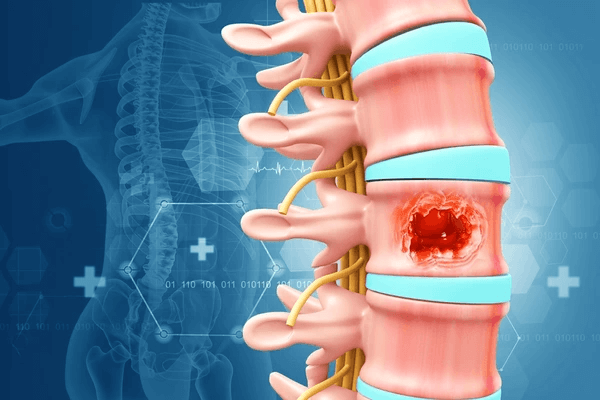
What are Spinal Tumors?
Spinal tumors are abnormal growths that develop within or near the spinal cord and spine bones.
These tumors can be benign (non-cancerous) or malignant (cancerous) and may originate in the spine (primary tumors) or spread from other parts of the body (secondary or metastatic tumors).
Types Based on Location:
- Intramedullary: Inside the spinal cord
- Intradural-Extramedullary: Inside the spinal canal but outside the spinal cord
- Extradural: Outside the dura, often involving the vertebrae
Correct diagnosis through MRI, CT scans, and biopsies is essential in determining the nature of the tumor and the best course of action.
What are Benign Spinal Tumors?
Benign spinal tumors are non-cancerous growths that grow slowly and rarely spread to other parts of the body.
Although they are not life-threatening, they can still compress the spinal cord or nerves and cause symptoms like pain, numbness, or weakness.
Characteristics of Benign Spine Tumors:
- Non-invasive, localized growth
- Slow-growing
- Rarely return after removal
- May be asymptomatic in early stages
Types of Benign Tumors:
- Osteoid Osteoma – A small, painful tumor typically found in the spine’s posterior elements
- Hemangioma – A vascular tumor often discovered incidentally on imaging
- Schwannoma – Tumors of the nerve sheath, usually slow-growing and benign
- Meningioma – Common in middle-aged women, often intradural and extramedullary
- Ependymoma – A type of benign tumor inside the spinal cord
Benign Spinal Tumors Treatment:
- Observation with regular imaging if asymptomatic
- Surgical removal for symptomatic or enlarging tumors
- Minimally invasive techniques for faster recovery
- Performed by experts like Dr. Vignesh Pushparaj, the best spine surgeon in Chennai
Malignant Spinal Tumors
Malignant spine tumors are cancerous and tend to grow rapidly. They can cause serious damage to the spinal cord and nerves, leading to debilitating symptoms.
Characteristics of Malignant Spine Tumors:
- Fast-growing and aggressive
- High potential for metastasis (spread)
- Frequently causes intense pain and neurological problems
- Can significantly impact quality of life
Primary vs. Secondary Malignant Spine Tumors:
- Primary Malignant Tumors: Originate in the spine (e.g., chordoma, osteosarcoma)
- Secondary (Metastatic) Tumors: Spread from cancers like breast, lung, or prostate
Malignant Spine Tumors in Chennai:
Managing malignant spinal tumors requires a comprehensive treatment plan involving:
- Surgical intervention
- Radiation therapy
- Chemotherapy (in some cases)
- Rehabilitation and pain management
If you’re seeking treatment for malignant spine tumors in Chennai, consulting a specialized surgeon like Dr. Pushparaj is vital.
Difference Between Benign and Malignant Spine Tumors
|
Feature |
Benign Spinal Tumors |
Malignant Spinal Tumors |
|
Growth Rate |
Slow |
Rapid |
|
Potential to Spread |
Rare |
Common |
|
Pain Level |
Mild or moderate |
Severe |
|
Risk of Recurrence |
Low after removal |
Higher if not fully treated |
|
Treatment |
Observation/Surgery |
Surgery + Radiation/Chemotherapy |
|
Prognosis |
Good with treatment |
Depends on cancer type and stage |
When to See a Spine Tumors Surgeon in Chennai?
Early diagnosis can prevent permanent neurological damage.
Watch for these warning signs:
Symptoms of Spine Tumors:
- Chronic back or neck pain not relieved by rest
- Numbness or tingling in the arms or legs
- Muscle weakness or stiffness
- Difficulty walking or balancing
- Loss of bladder or bowel control
If you’re experiencing any of these symptoms, seek expert consultation from the best spine surgeon in Chennai, Dr. Vignesh Pushparaj.
Conclusion
Understanding the difference between benign and malignant spine tumors can help patients make informed decisions and seek timely medical help.
Whether you’re dealing with a benign spinal tumor or facing the challenges of a malignant spinal tumor in Chennai, early intervention is key.
Dr. Vignesh Pushparaj, an experienced spine tumors surgeon in Chennai, provides advanced, compassionate care tailored to each patient’s needs.
Frequently Asked Questions (FAQs)
Are all spinal tumors cancerous?
No. Many spinal tumors are benign and non-cancerous, though they can still affect nerves and spinal function.
What is the most common benign spinal tumor?
Hemangioma is the most common benign tumor of the spine, often found incidentally during imaging tests.
Can a benign spinal tumor become malignant?
While rare, some benign tumors may show aggressive behavior. Regular monitoring is important.
What is the treatment for malignant spine tumors?
Treatment may include surgery, radiation therapy, and chemotherapy, depending on the tumor type and location.
Who is the best spine surgeon in Chennai for spinal tumors?
Dr. Vignesh Pushparaj is recognized as one of the best spine surgeons in Chennai, with over 15 years of experience treating spinal tumors and complex spine conditions.



0 Comments